
Communities thrive when natural systems are protected and local resilience is strengthened.
AIDF promotes environmental responsibility through awareness, climate resilience, local stewardship, and practical action that links sustainability to everyday wellbeing. We promote environmental conservation, climate resilience, sustainable natural resource management and clean energy adoption through community awareness and ecosystem restoration.
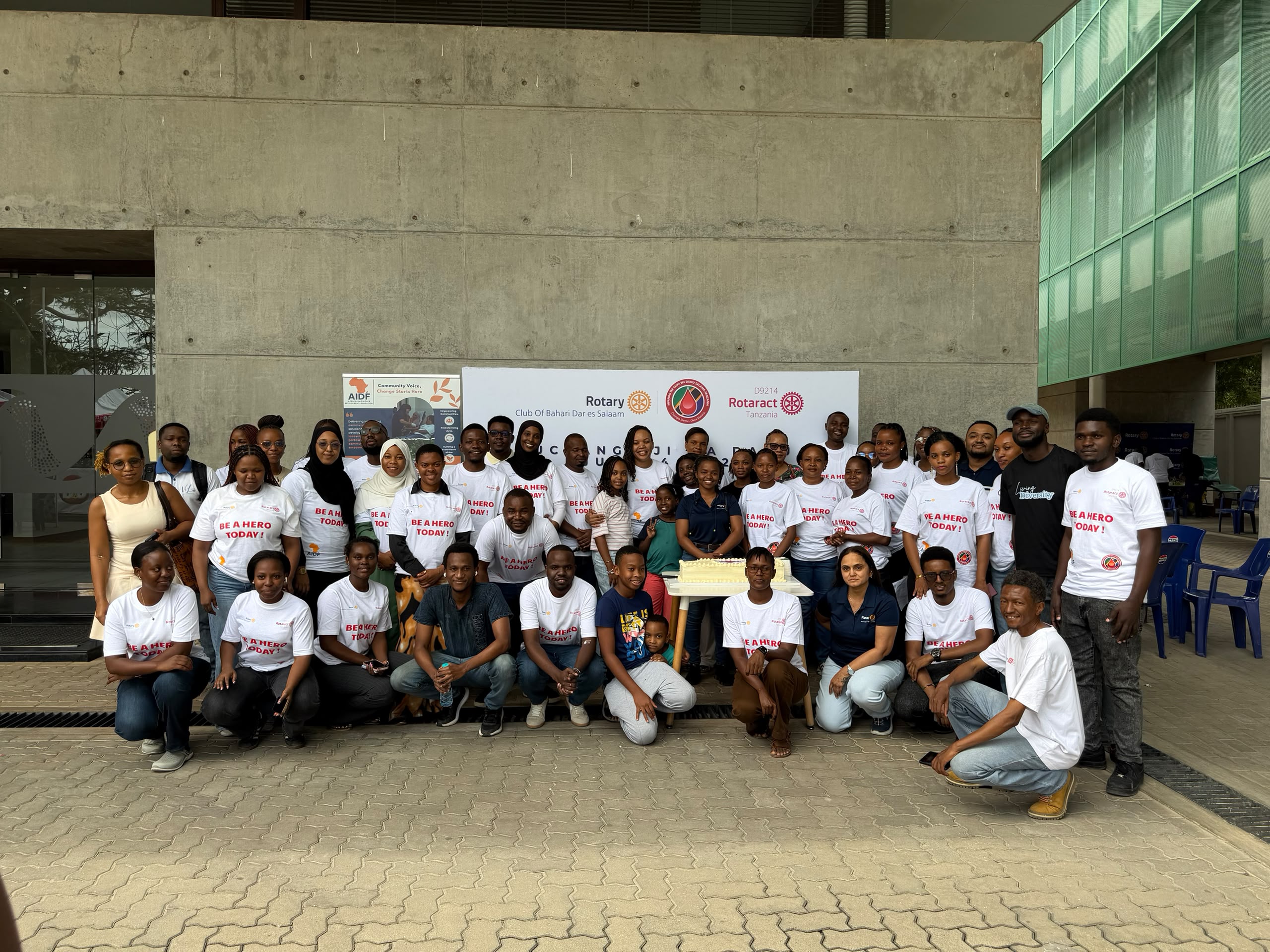
We connect environmental action to health, livelihoods, and local futures.
Environmental work becomes sustainable when communities can see its relevance to water, food systems, income, safety, and quality of life. AIDF builds environmental awareness alongside practical participation and local ownership.
Protection & Conservation
Encouraging shared responsibility for land, water, and biodiversity through environmental conservation and ecosystem restoration.
Climate Adaptation & Resilience
Helping communities respond more effectively to changing climate pressures and adopt clean energy solutions.
How AIDF approaches environmental sustainability
Climate Awareness
Building understanding of climate impacts and practical adaptation choices at household and community level.
Water and Ecosystems
Promoting responsible use and protection of natural resources that communities depend on every day.
Sustainable Practices
Encouraging waste reduction, reuse, and practical environmental habits that can scale locally.
Clean Energy & Climate Action
Promoting clean energy adoption, climate resilience, and sustainable natural resource management.
Examples of interventions in this thematic area

Community Greening Initiatives
Local environmental campaigns that combine awareness with practical restoration action.
- Environmental education drives
- Local stewardship activities
- Collective action around shared spaces

Climate Resilience Dialogues
Community spaces to understand risks, identify local solutions, and improve preparedness.
- Local climate risk awareness
- Preparedness planning
- Shared adaptation priorities
Sustainable Livelihood Support
Helping communities explore environmentally responsible practices that also strengthen economic resilience.
- Practical sustainability skills
- Community-led adaptation choices
- Longer-term resilience thinking
Ready to Make a Difference?
Join us in creating lasting change in our communities across Tanzania.