Education expands possibility when learning is relevant, safe, and reachable.
AIDF supports children, adolescents, and young people with learning opportunities that improve literacy, confidence, life skills, and long-term participation in development through inclusive education, life skills, civic engagement, and community capacity strengthening.
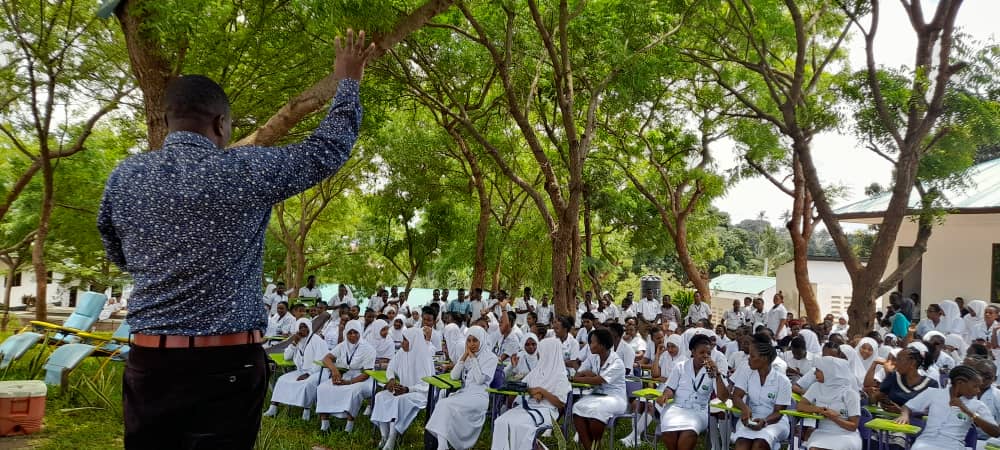
We see education as more than classroom attendance.
For AIDF, quality education means helping learners stay in school, succeed in school, and translate knowledge into practical life opportunities. That includes support for families, community learning spaces, and confidence-building beyond textbooks.
Access and Retention
Reducing the barriers that keep children and youth from entering, remaining in, and benefiting from education.
Practical Learning
Connecting formal learning with life skills, creativity, leadership, and employability pathways.
Key education priorities we invest in
Literacy and Foundational Learning
Supporting basic reading, comprehension, and learning confidence as the foundation for future growth.
School Readiness and Retention
Helping learners remain engaged and reducing dropout risks through targeted support and community involvement.
Digital and Future Skills
Introducing learners to practical skills that strengthen adaptability, problem-solving, and participation in a changing economy.
Girls and Youth Inclusion
Ensuring vulnerable and underserved learners are not left behind in access, progression, or leadership opportunities.
Examples of the kinds of learning pathways we support
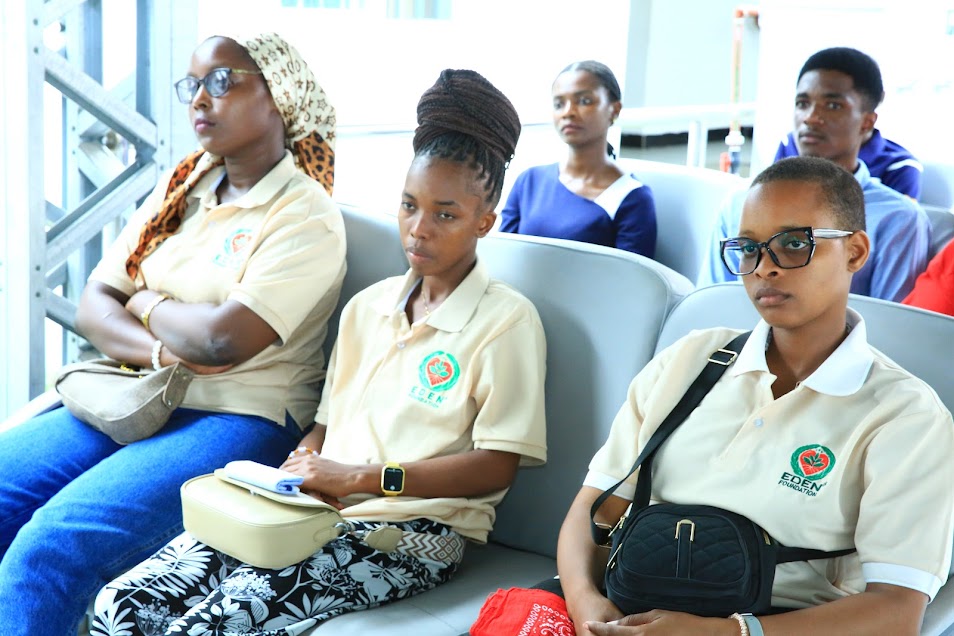
After-School Learning Support
Extra learning spaces that help children reinforce classroom learning in a more supportive environment.
- Homework and reading support
- Structured mentoring
- Confidence-building activities
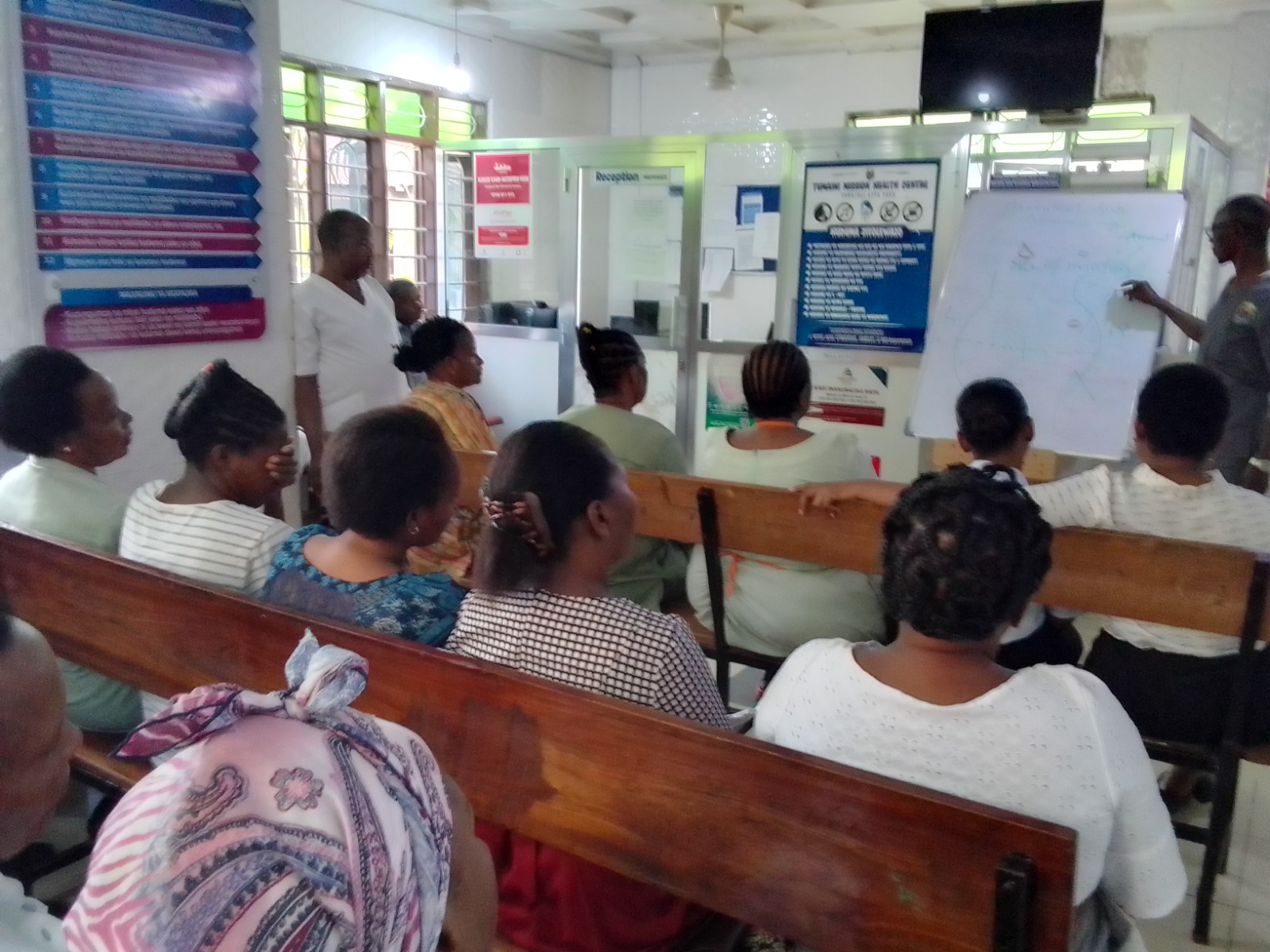
Youth Skills and Leadership Labs
Learning formats that blend communication, teamwork, innovation, and local problem-solving.
- Leadership and civic participation
- Creative and practical skills
- Peer learning formats
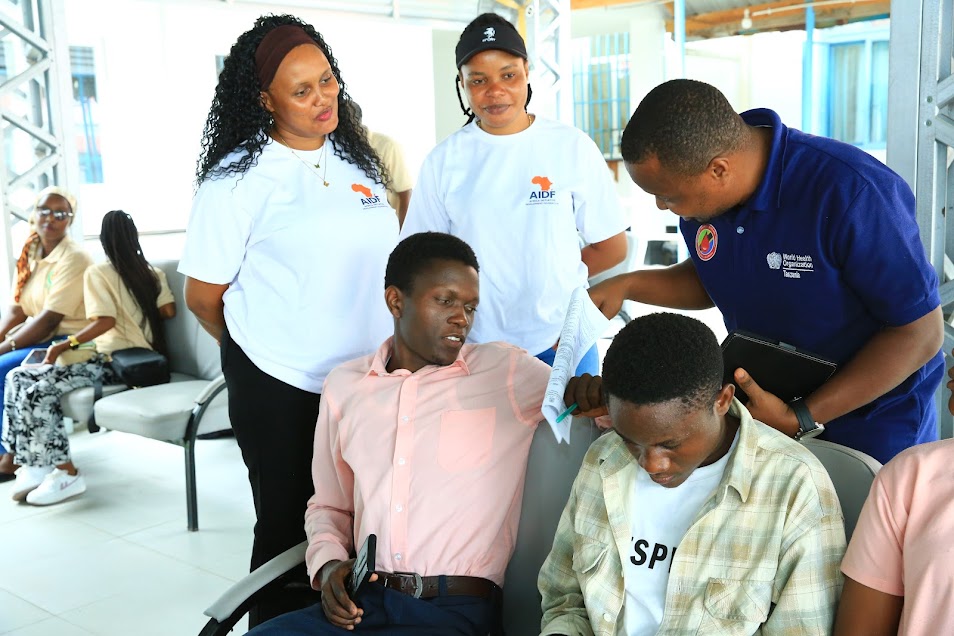
Family and Community Learning Engagement
Helping parents and communities play a stronger role in learning continuity and learner wellbeing.
- Community awareness sessions
- Support for learner retention
- Locally owned education action
Ready to Make a Difference?
Join us in creating lasting change in our communities across Tanzania.